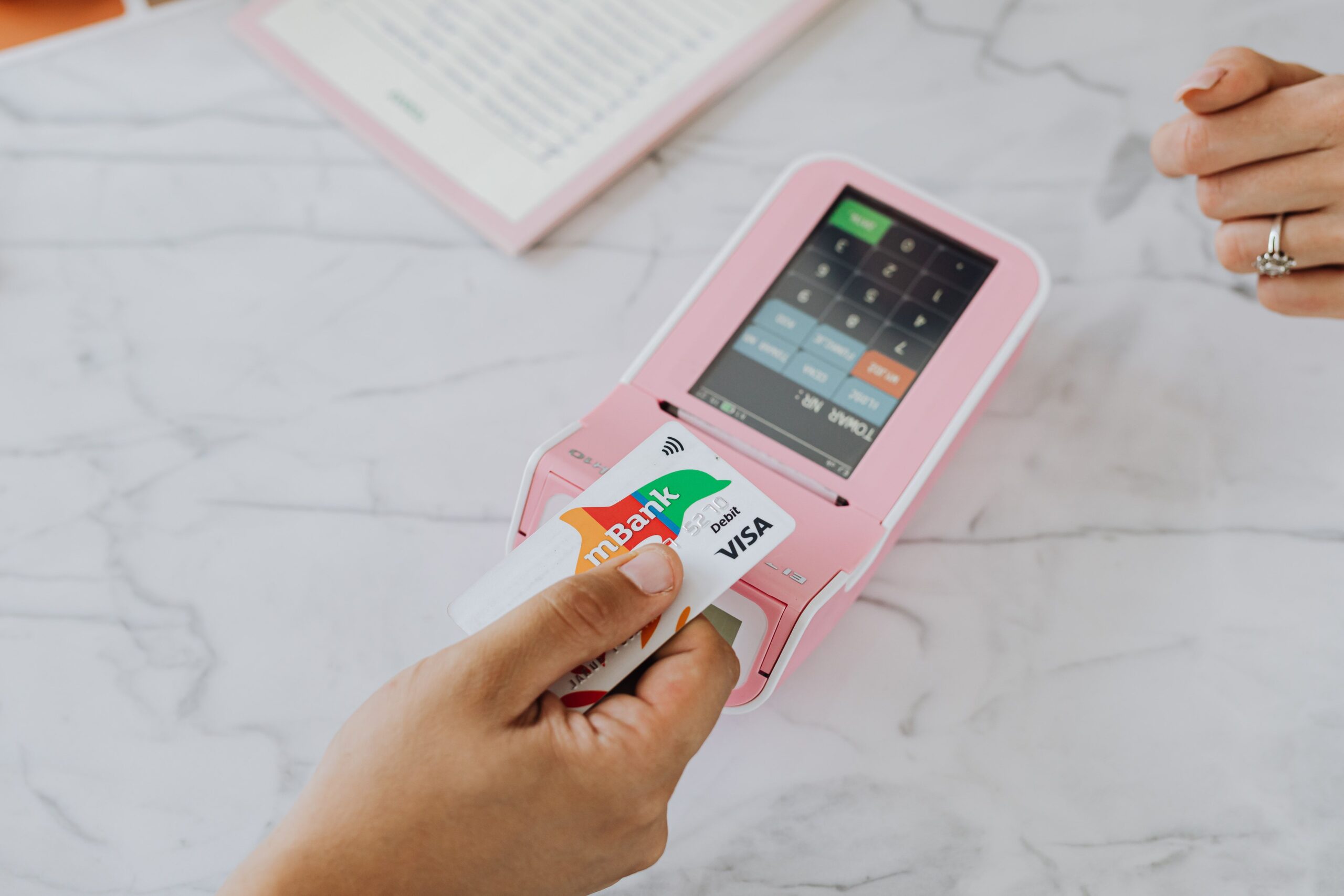
Learning how to pay off credit card debt in 2026 can make a major difference in your financial future. Credit card balances can become expensive when high interest charges continue to build each month. Even a manageable balance can take years to eliminate if you only make minimum payments.
The good news is that you can take practical steps to reduce interest, pay your balance faster, and regain control of your budget. The key is to choose a strategy that fits your income, debt level, credit profile, and financial goals.
This guide explains smart credit card debt payoff strategies for 2026. You will learn how to reduce interest costs, prioritize balances, avoid common mistakes, and create a realistic debt-free plan.
Why Credit Card Debt Can Be So Expensive
Credit card debt is costly mainly because of interest. Unlike many installment loans, credit cards often have variable annual percentage rates. A high APR can cause a significant portion of your monthly payment to go toward interest instead of reducing the principal.
For example, suppose you have a $5,000 balance at a high interest rate. If you make only minimum payments, your debt may remain for a long time. Meanwhile, interest continues to increase the total amount you pay.
That is why the first goal should be to stop the balance from growing. After that, focus on reducing the principal as quickly as your budget allows.
1. Calculate Your Total Credit Card Debt
Before choosing a payoff method, make a complete list of your credit cards. Record each balance, interest rate, minimum payment, and due date.
This simple step gives you a clear picture of your financial situation. It also helps you identify which debts are costing you the most.
You can create a simple debt worksheet with these columns:
- Credit card name
- Current balance
- APR or interest rate
- Minimum monthly payment
- Payment due date
Once everything is organized, calculate how much extra money you can put toward debt each month. Even an additional $50 or $100 can accelerate your payoff timeline.
2. Choose the Debt Avalanche Method
The debt avalanche method is one of the most effective ways to reduce interest costs. With this strategy, you make the minimum payment on every credit card. Then, you direct all extra money toward the card with the highest interest rate.
After that card is paid off, move the extra payment to the card with the next-highest APR. Continue until every balance is eliminated.
The main advantage is mathematical. You attack the debt that is generating the most interest first. As a result, you may save more money over time.
Example of the Avalanche Strategy
Imagine you have three cards:
- Card A: $2,000 at 29% APR
- Card B: $4,000 at 22% APR
- Card C: $1,500 at 18% APR
With the avalanche approach, Card A becomes the priority. You continue paying minimums on Cards B and C while putting extra money toward Card A.
Once Card A reaches zero, you move to Card B. Finally, you eliminate Card C.
3. Consider the Debt Snowball Method
The debt snowball method takes a different approach. Instead of targeting the highest interest rate, you pay off the smallest balance first.
You still make minimum payments on every account. However, your extra payment goes toward your smallest debt. Once it is gone, you move to the next-smallest balance.
This method may not always minimize interest costs. However, it can provide quick wins and motivation. If staying motivated is your biggest challenge, the snowball method can be a powerful option.
The best debt strategy is the one you can follow consistently. A theoretically optimal plan is not useful if you cannot stick with it.
4. Stop Adding New Credit Card Debt
Paying off credit card debt becomes much harder if you continue charging new purchases. Therefore, consider using cash or a debit card for everyday expenses while you work on your balances.
Review your recent credit card statements. Look for recurring expenses, impulse purchases, subscriptions, and unnecessary fees.
You do not need to eliminate every enjoyable expense. Instead, create a realistic spending plan that gives every dollar a purpose.
5. Build a Debt-Focused Budget
A strong budget can turn debt repayment into a monthly routine. Start with essential expenses such as housing, utilities, food, transportation, insurance, and minimum debt payments.
Next, identify expenses you can temporarily reduce. Money saved from dining out, entertainment, subscriptions, or unnecessary shopping can become an additional debt payment.
For example, cutting $200 in monthly expenses gives you $2,400 per year to apply toward debt. The actual benefit can be even greater because paying down principal also reduces future interest.
6. Increase Your Income
Reducing expenses is useful, but increasing income can make your payoff plan even faster. Consider overtime, freelance work, contract projects, selling unused items, or a flexible side job.
You can also explore an online business or affiliate marketing as potential long-term income opportunities. However, these options usually require time and effort before they produce meaningful income.
Do not take on expensive courses or business debt simply because you want to earn more money. Your priority should be improving cash flow without creating another financial problem.
Some people also explore passive income ideas. While additional income can help with debt repayment, remember that most legitimate passive-income strategies require an upfront investment of time, money, or both.
7. Explore a Balance Transfer Carefully
A balance transfer credit card may help qualified borrowers reduce interest charges. Some cards offer a promotional APR for a limited period.
However, read the terms carefully before transferring a balance. There may be a balance transfer fee, and the promotional rate eventually expires.
Use the promotional period strategically. Create a payment schedule that aims to eliminate as much of the transferred balance as possible before the introductory period ends.
You can review consumer guidance about credit cards through the Consumer Financial Protection Bureau.
8. Compare Debt Consolidation Options
Debt consolidation combines multiple debts into one payment. Depending on your credit profile and available offers, a personal loan could potentially have a lower interest rate than your credit cards.
However, a lower monthly payment does not automatically mean lower total costs. A longer repayment term can increase the amount of interest you pay over time.
Before accepting a consolidation loan, compare the APR, fees, repayment period, monthly payment, and total repayment amount.
9. Ask Your Credit Card Issuer About Lower Rates
It may be worth contacting your credit card company and asking whether a lower interest rate is available. Your chances may improve if you have a history of on-time payments and your financial situation has improved.
Even a modest APR reduction can help. More of each payment can go toward reducing your principal instead of covering interest.
Do not assume you will receive a lower rate. Ask about your available options and compare them with alternatives.
10. Automate Your Debt Payments
Automation can make debt repayment easier. Set automatic payments for at least the minimum amount on every credit card.
Then schedule your additional debt payment shortly after payday. This reduces the temptation to spend the money elsewhere.
Always make sure your bank account has enough funds for scheduled payments. Missed payments can lead to fees and may damage your credit history.
11. Use Windfalls Strategically
Tax refunds, bonuses, gifts, cash from selling unused possessions, and other unexpected money can accelerate your debt payoff.
You do not necessarily need to use every dollar for debt. A balanced approach can work better. For example, you might put most of a windfall toward high-interest debt while keeping a smaller portion for savings.
Having some emergency savings can reduce the risk of using a credit card again when an unexpected expense appears.
12. Keep a Small Emergency Fund
Debt repayment should not always mean putting every available dollar toward your credit cards. Without any emergency savings, one unexpected bill can force you to borrow again.
Consider building a starter emergency fund while aggressively paying down high-interest debt. Once your credit card balances are under control, you can increase your emergency savings target.
The right amount depends on your income, expenses, job stability, and household needs.
Common Credit Card Debt Payoff Mistakes
Knowing what to avoid is just as important as knowing what to do.
Only Making Minimum Payments
Minimum payments keep accounts current, but they can leave you paying interest for years. Whenever possible, pay more than the minimum.
Closing Every Credit Card Immediately
Closing accounts can sometimes affect your credit utilization and account history. Instead of making a quick decision, consider whether keeping an account open with no new spending makes sense for your situation.
Using a Balance Transfer Without a Plan
A promotional APR is not a permanent solution. If you transfer a balance but continue spending, your overall debt may increase.
Ignoring the Root Cause
If overspending created the debt, simply moving balances between accounts will not solve the underlying problem. Review your spending habits and build a sustainable budget.
How to Pay Off Credit Card Debt in 2026 Faster
The fastest approach usually combines several strategies instead of relying on one tactic.
- List every credit card balance and APR.
- Stop unnecessary new credit card spending.
- Choose avalanche or snowball repayment.
- Pay more than the minimum whenever possible.
- Look for ways to reduce your interest rate.
- Increase income and send extra cash toward debt.
- Use windfalls strategically.
- Keep enough emergency savings to avoid new borrowing.
- Track your progress every month.
You can use resources from ConsumerFinance.gov to learn more about managing credit and debt. You can also review information from the Federal Trade Commission before working with a debt relief company.
Can Online Income Help You Pay Off Debt?
Additional income can shorten your debt payoff timeline. Some people use freelancing, digital services, content creation, affiliate marketing, or an online business to increase their monthly cash flow.
However, be careful with online income claims. A legitimate business usually takes work and time. Avoid opportunities that promise guaranteed profits with little effort.
You may also encounter comparisons such as affiliate vs dropshipping. Both models can involve online sales, but neither should be treated as a guaranteed solution for credit card debt. A dropshipping business can involve advertising, software, supplier, payment processing, and fulfillment costs.
If you already have credit card debt, avoid funding a new business with high-interest borrowing. Stabilize your finances first.
Create a Realistic Credit Card Debt Payoff Plan
Your payoff plan should be specific. Choose a monthly extra payment and a target date. Then track your balance after every payment.
For example, if you have $6,000 in credit card debt and can consistently add $500 per month toward repayment, you have created a clear starting point. Your actual timeline will depend on interest rates and minimum payments, so use a debt calculator to estimate the result.
As your balance falls, celebrate progress without increasing spending. Every payment reduces your financial burden and moves you closer to having more control over your income.
Final Thoughts on How to Pay Off Credit Card Debt in 2026
Understanding how to pay off credit card debt in 2026 starts with knowing exactly what you owe and how much interest you are paying. From there, choose a strategy you can maintain.
The debt avalanche method can help minimize interest. The debt snowball method can provide faster psychological wins. Balance transfers and consolidation may also help qualified borrowers, but only when the terms make financial sense.
Most importantly, avoid adding new high-interest debt while you are trying to eliminate existing balances. Build a practical budget, increase income when possible, automate payments, and track your progress.
With consistency, discipline, and a clear strategy, you can reduce expensive credit card interest and work toward a stronger financial position in 2026 and beyond.
Disclaimer: This article is for educational purposes only and does not constitute financial, legal, or tax advice. Credit card terms, interest rates, fees, and eligibility requirements vary by issuer and borrower. Review current terms and consider professional advice for your individual situation.
