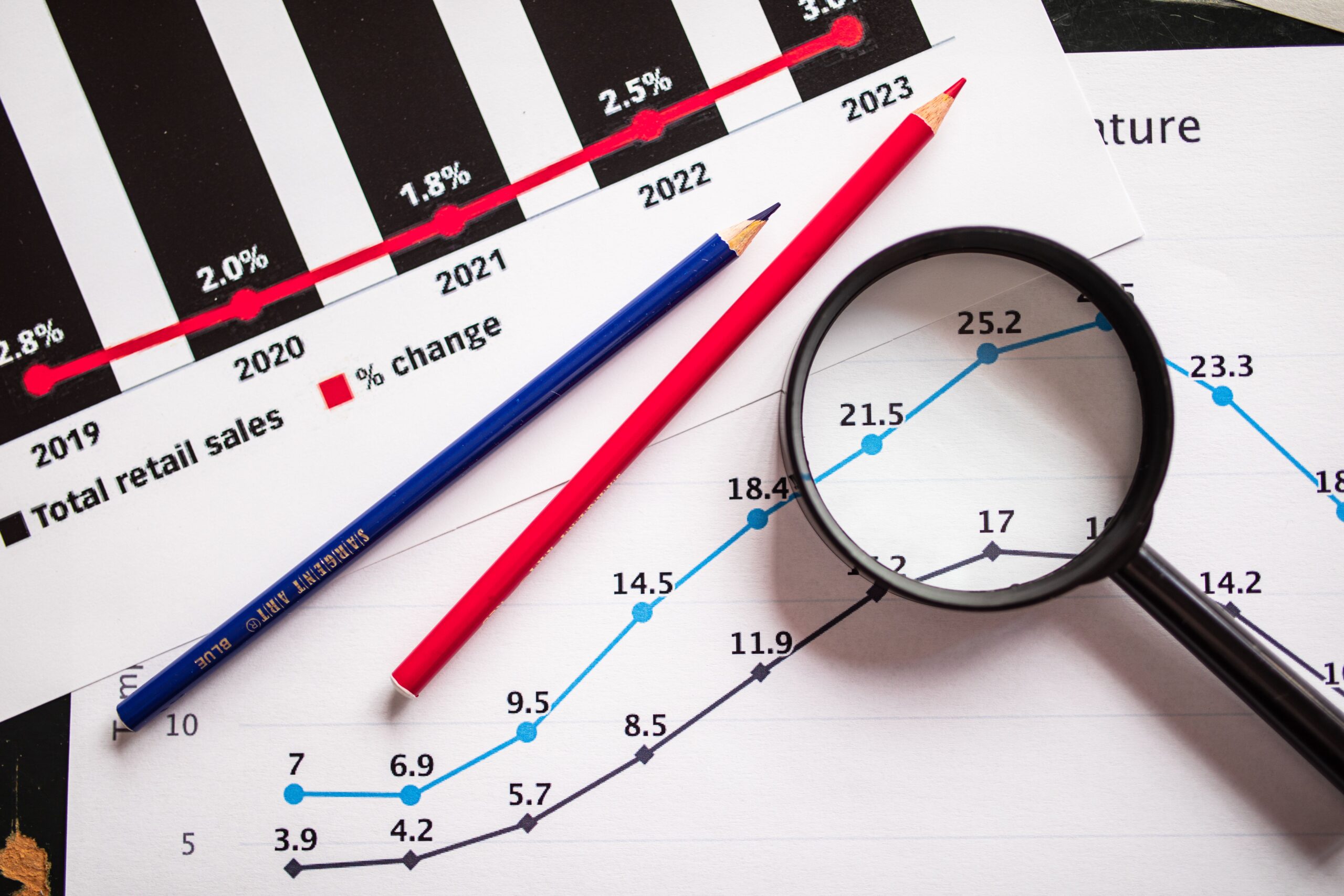
The Economic Forecast 2026 points to a year of slower but resilient global growth, persistent inflation risks, changing interest rates, and a labor market that remains relatively stable. For investors, business owners, and households, understanding these trends can help with better financial decisions.
The global economy is facing several competing forces. Technology investment is supporting growth, while geopolitical tensions, energy prices, trade uncertainty, and high public debt create risks. The International Monetary Fund projected global growth of about 3.0% in 2026 in its July outlook, while also warning that inflation pressures have become harder to predict. IMF World Economic Outlook
At the same time, the United States remains an important driver of global markets. The Federal Reserve’s June 2026 projections put median U.S. real GDP growth at 2.2% for 2026, unemployment at 4.3%, and PCE inflation at 3.6%. These figures show why the economic environment may remain strong but complicated. Federal Reserve Economic Projections
Economic Forecast 2026: The Big Picture
The central theme of the Economic Forecast 2026 is uneven growth. Some economies are benefiting from artificial intelligence investment, productivity improvements, and stronger corporate spending. Others are dealing with expensive energy, weak consumer demand, high debt, or trade disruptions.
Global growth is therefore unlikely to be evenly distributed. Technology-heavy economies may perform better than countries heavily dependent on imported energy or vulnerable supply chains. Businesses that can adapt quickly may also have an advantage.
The IMF’s July 2026 outlook projected global growth at 3.0% in 2026 and 3.4% in 2027. It also noted that global disinflation has stalled. This means policymakers may need to balance growth against renewed price pressures. IMF July 2026 Outlook
Inflation Forecast for 2026
Inflation remains one of the biggest issues in the Economic Forecast 2026. Consumers may continue to experience higher prices for housing, energy, services, transportation, and selected goods.
Inflation is especially important because it affects purchasing power. When prices rise faster than wages, households have less money available for saving and investing. Businesses also face higher operating costs.
Why Inflation Could Stay Elevated
Several factors could keep inflation above central bank targets. Energy disruptions can increase transportation and production costs. Trade restrictions can raise import prices. Strong technology investment can also increase demand for specialized equipment, energy, and infrastructure.
In the United States, the Federal Reserve’s June projections showed median PCE inflation of 3.6% for 2026. That was significantly above the Federal Reserve’s 2% longer-run objective. Federal Reserve Monetary Policy Report
However, inflation does not have to remain permanently high. If supply conditions improve and demand becomes more balanced, price pressures could gradually decline. Therefore, investors should focus on the direction of inflation rather than a single monthly reading.
Interest Rate Outlook for 2026
Interest rates are another major part of the Economic Forecast 2026. Central banks must decide how quickly they can ease monetary policy without allowing inflation to become entrenched.
Lower interest rates generally reduce borrowing costs. This can support home purchases, business investment, consumer spending, and stock valuations. However, central banks may delay rate cuts when inflation remains above target.
The Federal Reserve’s June 2026 projections placed the median federal funds rate at 3.8% for 2026, followed by 3.6% in 2027 and 3.4% in 2028. These projections are not guarantees. Economic data and unexpected shocks can change the path of policy. Federal Reserve Policy Outlook
What Higher Rates Mean for Consumers
Higher rates can increase the cost of mortgages, credit cards, auto loans, and business financing. Consumers may therefore benefit from reducing expensive debt and maintaining an emergency savings reserve.
For businesses, higher financing costs can make expansion more expensive. Companies may respond by improving productivity, reducing unnecessary expenses, or investing in technology that produces measurable returns.
Jobs and Employment Outlook
The labor market is expected to remain an important indicator in 2026. A strong labor market supports household spending and economic growth. A sharp increase in unemployment, however, can weaken consumer demand and corporate earnings.
The Federal Reserve’s June projections showed a median unemployment forecast of 4.3% for 2026. Its July report also described job gains as keeping pace with workforce growth while noting that unemployment had changed little. Federal Reserve Monetary Policy Report
Technology and artificial intelligence are likely to influence employment. Some repetitive tasks may become automated, while demand increases for software, data, cybersecurity, engineering, finance, healthcare, and specialized technical skills.
Skills Could Matter More Than Job Titles
Workers may benefit from developing skills that complement automation. Data analysis, communication, digital marketing, financial literacy, sales, cybersecurity, and AI-assisted productivity can improve career flexibility.
Entrepreneurship may also become more attractive. A well-managed online business can provide another source of revenue without requiring the overhead of a traditional physical location.
Market Growth and Investment Outlook
Financial markets could remain highly sensitive to inflation, interest rates, corporate earnings, and geopolitical developments. That means 2026 may bring both attractive opportunities and periods of sharp volatility.
Equity markets could benefit if corporate earnings remain strong and productivity improves. Technology and artificial intelligence investment may continue to support selected sectors. However, expensive valuations can increase the risk of corrections if earnings fail to meet expectations.
Bond markets may also attract attention. If inflation declines, longer-term bonds could benefit from falling yields. If inflation remains elevated, however, bond prices may face renewed pressure.
Investors Should Avoid One-Scenario Thinking
A strong investment strategy should not depend on one economic outcome. Instead, investors can consider multiple scenarios.
In a soft-landing scenario, inflation declines while economic growth remains positive. This could support stocks and bonds.
In a higher-inflation scenario, central banks may keep rates elevated for longer. Defensive assets and companies with strong pricing power could become more attractive.
In a recession scenario, corporate earnings could weaken. Investors may then prioritize high-quality companies, strong balance sheets, liquidity, and diversification.
Business Opportunities in 2026
The Economic Forecast 2026 is not only about risks. It also highlights opportunities for entrepreneurs and business owners.
AI infrastructure, cybersecurity, cloud services, financial technology, digital education, healthcare technology, and business automation could remain important growth areas.
Consumers are also searching for ways to reduce costs and increase income. This creates opportunities for businesses offering financial education, productivity tools, professional services, and affordable digital products.
For entrepreneurs researching passive income, it is important to understand that most income streams require upfront work, capital, or ongoing maintenance. Digital products, content websites, and carefully managed investment strategies can potentially create recurring revenue, but they are not risk-free.
Affiliate Marketing and Online Business Trends
Digital entrepreneurship may remain attractive as more consumers research products and services online. affiliate marketing can provide a commission-based business model when content attracts qualified visitors.
Entrepreneurs may also compare affiliate vs dropshipping when choosing an online business model. Affiliate marketing generally avoids inventory management, while a dropshipping business requires managing product suppliers, customer expectations, returns, and fulfillment.
The best model depends on skills, available capital, marketing ability, and risk tolerance. Economic uncertainty makes disciplined cash-flow management especially important.
Key Risks to Watch in 2026
Several risks could change the Economic Forecast 2026 quickly.
- Persistent inflation: Higher prices could delay interest-rate cuts.
- Geopolitical conflict: Energy and supply-chain disruptions could affect global growth.
- Trade restrictions: Tariffs and changing trade policies could increase costs.
- High public debt: Rising borrowing costs could limit fiscal flexibility.
- Market valuation risk: Expensive assets may be vulnerable to disappointing earnings.
- Technology disruption: AI could create productivity gains but also disrupt industries and employment.
The IMF has highlighted geopolitical fragmentation, financial repricing, high debt, and potential disappointment around AI-driven productivity as important downside risks. IMF Economic Outlook
How Investors Can Prepare for 2026
Investors should focus on fundamentals instead of trying to predict every market movement. A diversified portfolio can reduce dependence on one asset, industry, or economic scenario.
It can also help to maintain adequate liquidity. Cash reserves can provide flexibility during market corrections. Investors should also review debt levels, investment time horizons, risk tolerance, and asset allocation regularly.
For long-term investors, short-term volatility may create opportunities. However, every investment carries risk. Past performance does not guarantee future results.
How Businesses Can Prepare for Economic Changes
Businesses should build resilience before economic conditions become difficult. Strong cash flow, controlled expenses, flexible suppliers, and diversified revenue sources can reduce financial pressure.
Companies should also monitor borrowing costs. Refinancing expensive debt may be useful when market conditions improve. However, businesses should avoid taking on excessive leverage simply because credit becomes cheaper.
Investment in productivity can also provide long-term benefits. Automation, AI tools, customer relationship systems, cybersecurity, and better analytics can help businesses operate more efficiently.
Economic Forecast 2026: Final Outlook
The Economic Forecast 2026 suggests a year of moderate growth, persistent inflation challenges, uncertain interest-rate decisions, and changing labor-market dynamics.
The global economy is still showing resilience. At the same time, geopolitical tensions, energy costs, trade uncertainty, and high debt create meaningful risks. Investors and businesses should therefore prepare for multiple economic outcomes rather than rely on a single forecast.
The most important strategy is adaptability. Consumers can strengthen their finances by managing debt and building savings. Investors can focus on diversification and quality. Businesses can improve productivity and protect cash flow.
In an uncertain economy, preparation can be more valuable than prediction. The businesses, workers, and investors that remain flexible may be better positioned to capture opportunities as economic conditions change throughout 2026.
Disclaimer: This article is for educational and informational purposes only. It is not financial, investment, tax, or legal advice. Economic forecasts can change, and investors should conduct their own research or consult a qualified professional before making financial decisions.
