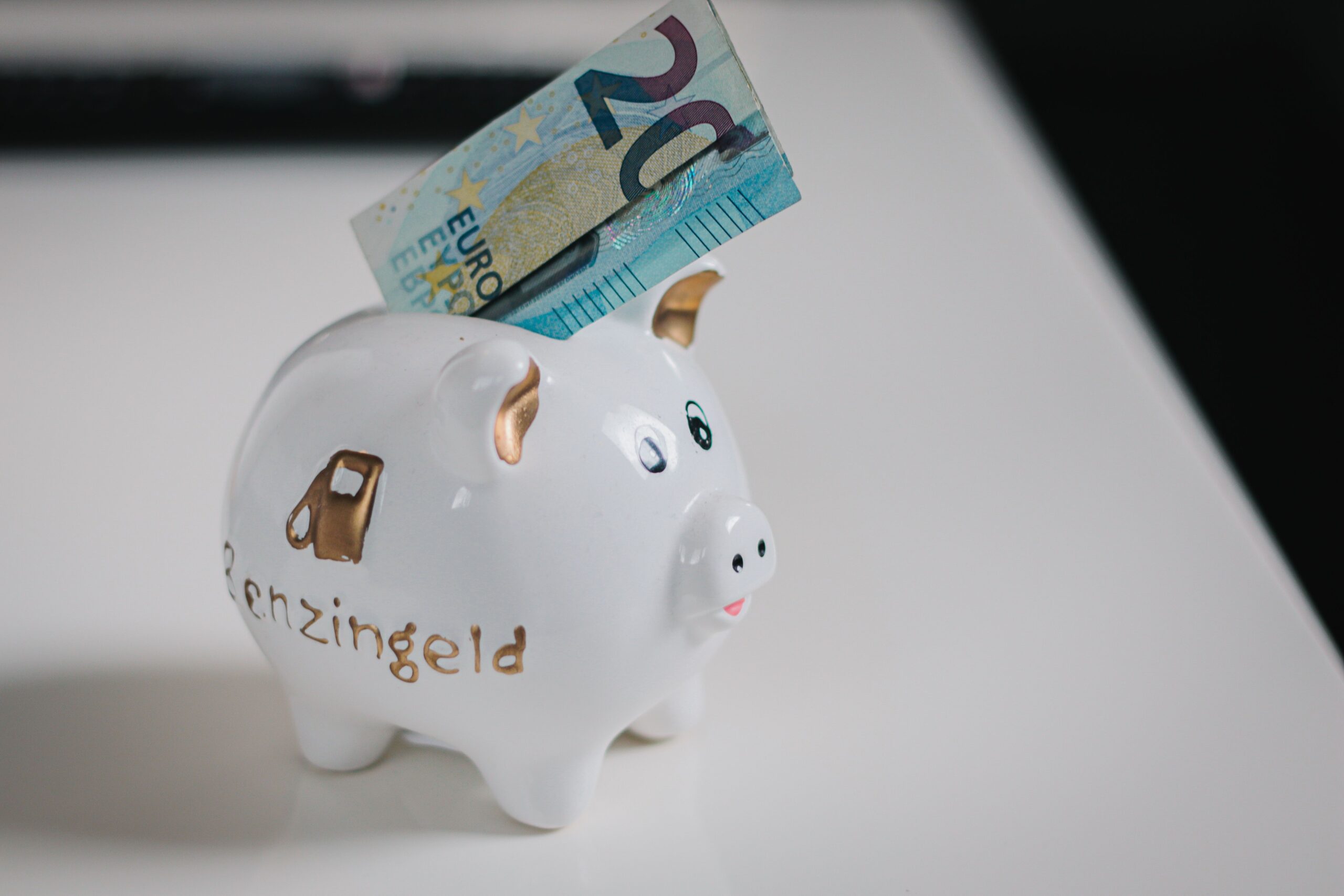
An emergency fund is one of the most important parts of a strong financial plan. It gives you cash to handle unexpected expenses without relying on credit cards, personal loans, or high-interest debt.
But how much should you actually save? The right amount depends on your income, monthly expenses, job stability, family situation, and financial goals. This Emergency Fund Guide 2026 explains how to calculate your target, where to keep your money, and how to build your savings step by step.
What Is an Emergency Fund?
An emergency fund is money set aside for unexpected and necessary expenses. It is designed to protect you when something goes wrong financially.
Common emergencies include job loss, major car repairs, urgent home repairs, unexpected medical bills, or essential travel because of a family emergency. These costs can appear without warning. Having cash available can help you avoid taking on expensive debt.
Your emergency savings should be separate from money you use for everyday spending. It should also be easy to access when you need it.
How Much Money Should You Save in 2026?
A common starting point is to save between three and six months of essential living expenses. However, this is not a rule that works for everyone.
If your monthly essential expenses are $2,500, a three-month emergency fund would be $7,500. A six-month fund would be $15,000.
People with stable employment may feel comfortable with three to four months of expenses. Freelancers, business owners, commission-based workers, and people with irregular income may prefer six months or more.
Emergency Fund Examples
Consider the following simple examples:
- $2,000 monthly expenses: $6,000 to $12,000 emergency fund.
- $3,000 monthly expenses: $9,000 to $18,000 emergency fund.
- $4,000 monthly expenses: $12,000 to $24,000 emergency fund.
- $5,000 monthly expenses: $15,000 to $30,000 emergency fund.
These figures are starting points. Your personal situation should determine your final target.
Calculate Your Essential Monthly Expenses
The best way to calculate an emergency fund is to focus on essential expenses rather than total spending.
Start by reviewing your monthly budget. Identify costs that you must continue paying during a financial emergency.
These may include rent or mortgage payments, utilities, groceries, insurance, transportation, minimum debt payments, childcare, and essential medical expenses.
Nonessential spending can usually be reduced during an emergency. This may include restaurant meals, entertainment, vacations, subscriptions, and luxury purchases.
Once you know your essential monthly expenses, multiply that number by your desired number of months.
Emergency fund target = essential monthly expenses × number of months
Who Needs a Larger Emergency Fund?
Not everyone needs the same amount of emergency savings. Several factors can increase the amount you should keep available.
People With Variable Income
If your income changes from month to month, consider building a larger cash reserve. Freelancers, contractors, commission-based workers, and small business owners may face longer periods between income payments.
A six-month emergency fund can provide additional protection when income is unpredictable.
Single-Income Households
If your household depends mainly on one income, losing that income can create a significant financial problem. A larger emergency fund may give your household more time to adjust.
Homeowners and Car Owners
Owning a home or vehicle can create unexpected repair costs. A broken air conditioner, damaged roof, transmission problem, or major appliance failure can quickly become expensive.
An emergency fund can help cover these costs without forcing you to use expensive credit.
People With Dependents
Parents and caregivers often have higher financial responsibilities. Emergency savings can help protect essential household expenses when unexpected costs appear.
Start With a $1,000 Emergency Fund
If saving three to six months of expenses feels impossible, start smaller.
A $1,000 starter emergency fund can be a useful first milestone. It may not cover a long period of unemployment, but it can handle many smaller financial emergencies.
For example, $1,000 could help cover an unexpected repair, urgent bill, or emergency travel expense. Once you reach this milestone, continue building your fund toward one month of essential expenses.
Breaking a large savings goal into smaller milestones makes the process easier to manage.
How to Build an Emergency Fund Fast
Building an emergency fund does not require a huge income. Consistency matters more than making large deposits once in a while.
Automate Your Savings
Set up an automatic transfer from your checking account to your savings account after each paycheck.
Automation removes the need to remember to save. Even a small amount can grow over time.
Use a Separate Savings Account
Keep emergency money separate from your everyday checking account. This reduces the temptation to spend it.
For many savers, a high-yield savings account can be worth considering because it may provide interest while keeping funds relatively accessible. Compare rates, fees, withdrawal rules, and account protections before choosing an account.
Cut Temporary Expenses
Look for expenses that can be reduced for several months. Cancel unused subscriptions, reduce takeout meals, shop for better insurance rates, and review recurring bills.
Send the money you save directly into your emergency fund.
Save Windfalls
Tax refunds, bonuses, gifts, cash rewards, and other unexpected income can accelerate your progress.
You do not need to save every dollar. However, putting a significant portion toward your emergency fund can help you reach your target sooner.
Can a Side Hustle Help Build Emergency Savings?
Increasing income can make emergency savings easier. A temporary side hustle can provide additional cash without requiring major lifestyle changes.
Depending on your skills, you could consider freelance work, tutoring, digital services, delivery work, or creating a small online business.
Some people also explore affiliate marketing as an additional income strategy. Others compare affiliate vs dropshipping when researching online income models.
A dropshipping business may offer another potential business model, while long-term digital assets can sometimes contribute to passive income. However, these approaches can involve time, expenses, and risk. They should not replace the basic goal of building a reliable emergency fund.
Where Should You Keep Your Emergency Fund?
Your emergency fund should be safe, accessible, and separate from investments intended for long-term growth.
A savings account is often suitable because you can access the money when necessary. A high-yield savings account may also allow your money to earn interest while remaining available.
A money market deposit account may be another option, depending on your financial institution and local rules.
Avoid putting your entire emergency fund into volatile investments. Stocks, cryptocurrencies, and other assets can lose value at exactly the time you need the money.
Emergency Fund vs. Investing
Saving and investing serve different purposes.
An emergency fund is designed for financial stability and short-term protection. Investing is generally designed for long-term growth.
If you do not have emergency savings, investing every extra dollar may leave you vulnerable. You could be forced to sell investments during a market decline to pay an unexpected bill.
A strong financial strategy often involves building an emergency fund first and then increasing long-term investments as your cash reserve becomes sufficient.
When Should You Use Your Emergency Fund?
Emergency savings should be used for genuine financial emergencies, not routine purchases.
A useful question is whether the expense is unexpected, necessary, and difficult to pay from your normal monthly income.
A major car repair may qualify. Replacing a broken essential appliance may qualify. A sudden loss of income may also qualify.
A new smartphone, vacation, or sale purchase usually does not qualify as an emergency.
What to Do After Using Your Emergency Fund
Using your emergency savings does not mean you failed. That is exactly what the fund is designed to handle.
After the emergency has passed, review your finances. Determine how much you spent and begin rebuilding the balance.
You can temporarily increase your savings rate until you reach your target again. If the emergency revealed that your original fund was too small, consider increasing your long-term target.
How to Protect Your Emergency Fund From Inflation
Inflation can reduce the purchasing power of cash over time. This does not mean you should take unnecessary investment risk with emergency savings.
Instead, review your emergency fund periodically. If your rent, groceries, insurance, or other essential costs increase, update your target.
For example, if your essential monthly expenses rise from $2,500 to $3,000, your three-month target should also increase.
Reviewing your emergency fund once or twice a year can help keep your savings aligned with your current financial situation.
Common Emergency Fund Mistakes to Avoid
Saving Too Little
A small emergency fund is better than having no savings. However, stopping after reaching a starter goal may leave you exposed to a larger financial setback.
Keeping Too Much in Checking
Keeping emergency money mixed with everyday spending can make it easier to spend accidentally. A separate savings account can provide a useful barrier.
Investing Emergency Savings
Emergency funds need stability and accessibility. They are not designed to maximize investment returns.
Ignoring High-Interest Debt
If you have expensive credit card debt, consider balancing emergency savings with debt repayment. A small cash reserve can provide protection while you work aggressively on high-interest balances.
Emergency Fund Guide 2026: A Simple Savings Plan
If you are starting from zero, follow a simple progression.
- Calculate your essential monthly expenses.
- Set an initial $1,000 savings goal.
- Automate contributions after each paycheck.
- Build savings toward one month of essential expenses.
- Continue toward three to six months of expenses.
- Consider a larger reserve if your income is unpredictable.
- Review your target at least once a year.
This approach keeps the process manageable. You do not need to build a six-month emergency fund overnight.
Final Thoughts on the Emergency Fund Guide 2026
The right emergency fund can provide financial security when life does not go according to plan. For many households, three to six months of essential expenses is a useful target. However, your ideal amount depends on your income, expenses, job stability, debt, and family responsibilities.
Start with a realistic goal. Automate your savings. Keep the money accessible. Then increase your target as your financial situation changes.
The most important step is to begin. Even a small emergency fund can provide more financial flexibility than having no cash reserve at all.
