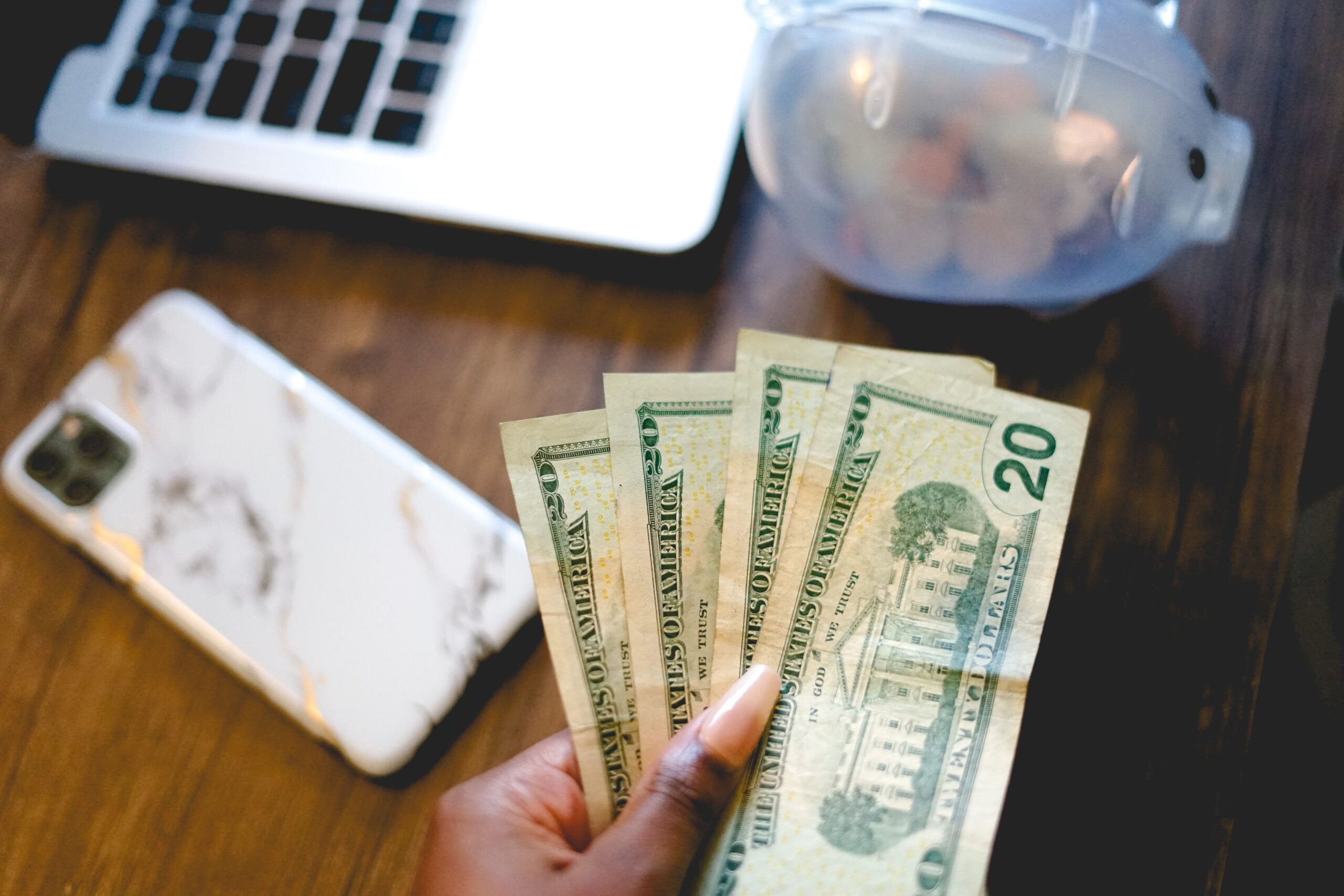
Learning how to save money fast in 2026 can make a major difference in your financial life. Rising living costs, higher interest rates, and unexpected expenses can make saving feel difficult. However, you do not need a huge income to start building savings.
The key is to use a simple plan that focuses on your biggest expenses first. Small changes can also create meaningful results when you repeat them every month. With the right budgeting strategies, you can reduce unnecessary spending, increase your savings rate, and work toward your financial goals faster.
This guide explains proven ways to save money quickly in 2026. You will learn how to create a realistic budget, reduce monthly expenses, automate savings, increase income, and avoid common money mistakes.
Why Saving Money Fast Matters in 2026
Saving money is not only about having cash in your bank account. It is also about creating financial security. A strong savings habit can help you handle emergencies without relying heavily on credit cards or expensive loans.
Start by setting a specific goal. For example, you may want to save $1,000 for emergencies, build three months of living expenses, pay off credit card debt, or save for a major purchase.
A specific target makes your progress easier to measure. It also gives you a reason to stay consistent when you are tempted to spend.
Create a Simple Budget That You Can Actually Follow
The first step in learning how to save money fast in 2026 is knowing where your money goes. A budget gives you a clear picture of your income and expenses.
Track Every Expense
Track your spending for at least 30 days. Include rent, utilities, groceries, transportation, subscriptions, entertainment, debt payments, and small purchases.
Do not ignore small expenses. A $5 purchase may not seem important. However, repeated small purchases can become hundreds of dollars each month.
Separate Needs From Wants
Divide your expenses into two groups. Needs include housing, food, transportation, insurance, and essential bills. Wants include entertainment, expensive dining, shopping, and optional subscriptions.
This does not mean you must eliminate every enjoyable expense. Instead, identify spending that provides little value and redirect that money toward savings.
Use the 50/30/20 Budget as a Starting Point
The 50/30/20 budgeting method is a simple framework for organizing your income. It generally assigns about 50% to needs, 30% to wants, and 20% to savings and debt repayment.
However, you do not have to follow these percentages exactly. If your goal is to save money fast, consider temporarily reducing your spending on wants.
For example, you could create a short-term savings plan that prioritizes essential expenses and directs a larger portion of your income toward savings. The right percentage depends on your income, location, debt, and financial goals.
Cut Your Biggest Monthly Expenses First
One of the fastest ways to save money is to focus on large expenses. Cutting a $300 monthly expense can have a much bigger impact than eliminating several $5 purchases.
Reduce Housing Costs
Housing is often one of the largest expenses in a household budget. If possible, consider negotiating rent, moving to a more affordable area, getting a roommate, or refinancing a mortgage when appropriate.
Even a small reduction in housing costs can create significant annual savings.
Lower Transportation Costs
Transportation can also consume a large portion of your income. Compare insurance rates, reduce unnecessary driving, use public transportation when practical, and maintain your vehicle regularly.
If you have multiple vehicles, consider whether every vehicle is necessary. Selling an expensive vehicle may reduce both monthly payments and ongoing costs.
Review Insurance Policies
Insurance is important, but you should not automatically accept the same premium every year. Compare available policies and ask providers about discounts.
Review auto, home, renters, and other insurance coverage regularly. Make sure you understand deductibles and coverage limits before changing a policy.
Cancel Subscriptions You Do Not Use
Subscription spending is an easy place to find savings. Streaming services, apps, memberships, cloud storage, software, and other recurring charges can quietly increase your monthly expenses.
Review your bank and credit card statements. Make a list of every recurring payment.
Cancel services you rarely use. You can also rotate entertainment subscriptions instead of paying for several services at the same time.
If you save $50 per month by eliminating unnecessary subscriptions, you will have an additional $600 per year.
Reduce Grocery and Food Costs
Food is another area where small changes can produce fast results. Start by creating a weekly meal plan before shopping.
Make a grocery list and stick to it. Compare prices between brands. Buy staple foods in larger quantities when the unit price is lower.
Cooking at home more often can also reduce restaurant and delivery expenses. You do not need to eliminate dining out completely. Instead, create a specific monthly restaurant budget.
Automate Your Savings
One of the most effective ways to save money is to automate the process. Set up an automatic transfer from your checking account to a dedicated savings account after each paycheck.
This approach makes saving a habit rather than a decision you must make every day.
Start with an amount that you can maintain. Even $25 or $50 per paycheck can build momentum. As your income increases, increase the automatic transfer.
Build an Emergency Fund
An emergency fund should be one of your first financial priorities. It can help cover unexpected expenses such as medical bills, repairs, temporary income loss, or urgent travel.
Start with a small target if you are beginning from zero. A $500 or $1,000 emergency fund can provide an important first layer of protection.
After reaching your initial target, work toward several months of essential living expenses. Keep emergency savings in an accessible account rather than investing money you may need immediately.
Use the 24-Hour Rule to Control Impulse Spending
Impulse purchases can destroy a savings plan. A simple solution is to wait before buying nonessential items.
For smaller purchases, use a 24-hour waiting period. For expensive purchases, consider waiting several days or even a few weeks.
During the waiting period, ask yourself whether you actually need the item. You may discover that the desire disappears after the initial excitement.
Pay Down High-Interest Debt
High-interest debt can make saving money difficult. Credit card balances can become especially expensive when interest accumulates every month.
Focus on paying down high-interest debt while maintaining a basic emergency fund. You can use the debt avalanche method by targeting the highest interest rate first.
Another option is the debt snowball method. This approach focuses on paying off the smallest balance first to create psychological momentum.
Whichever method you choose, consistency matters more than perfection.
Increase Your Income to Save Faster
Cutting expenses is useful, but income growth can accelerate your savings even more. Consider asking for a raise, developing professional skills, taking freelance work, or starting a small side business.
Digital opportunities can also provide additional income. For example, an online business can potentially create revenue beyond your primary job.
Some people explore affiliate marketing, digital products, freelancing, or content creation. Others research an affiliate vs dropshipping model before choosing an online business strategy.
A dropshipping business can be another option for entrepreneurs, although it requires research, marketing, customer service, and careful cost management.
You can also focus on building passive income over time. Remember that most passive-income strategies require upfront work, money, or both. Avoid promises of guaranteed returns.
Use Windfalls Strategically
Unexpected money can provide a major savings opportunity. Tax refunds, bonuses, gifts, freelance payments, and other windfalls can be divided between savings, debt repayment, and spending.
Instead of spending the entire amount, create a simple rule. For example, you could save 50%, use 30% for debt, and spend 20% on something you enjoy.
The exact percentages are less important than having a plan before the money arrives.
Try a 30-Day No-Spend Challenge
A no-spend challenge can help you identify unnecessary spending habits. During the challenge, pay only for essential expenses and planned bills.
Avoid unnecessary shopping, entertainment purchases, restaurant meals, and other optional expenses. Use what you already have at home.
At the end of 30 days, calculate how much money you saved. You may be surprised by the result.
Use a Separate Savings Account
Keeping savings separate from everyday spending can make it easier to avoid unnecessary withdrawals.
Consider using a dedicated savings account for your emergency fund or short-term goals. For money you do not need immediately, compare available savings products and interest rates.
When evaluating an account, consider the interest rate, fees, withdrawal rules, minimum balance requirements, and accessibility.
Create a Fast Savings Plan for 2026
If you want immediate results, create a simple 30-day savings plan.
Week 1: Track and Identify
Track every purchase. Review your subscriptions and identify your three largest unnecessary expenses.
Week 2: Cut Expenses
Cancel unused subscriptions. Reduce restaurant spending. Compare insurance and utility costs. Look for cheaper alternatives.
Week 3: Increase Income
Look for overtime, freelance work, unused items you can sell, or other legitimate income opportunities. Send the extra money directly to savings.
Week 4: Automate and Maintain
Set up automatic savings. Create spending limits for discretionary categories. Review your progress and choose your next savings target.
Common Mistakes That Slow Down Savings
Many people make saving harder than necessary. One common mistake is creating an unrealistic budget. If your budget is too restrictive, you may abandon it quickly.
Another mistake is focusing only on small expenses. Small savings matter, but large recurring expenses often offer greater opportunities.
Do not use credit cards to maintain a lifestyle you cannot afford. Rewards and cashback are useful only when you avoid unnecessary interest charges.
Finally, avoid comparing your financial progress with other people. Focus on your income, expenses, goals, and progress.
How Much Should You Save Each Month?
There is no single savings amount that works for everyone. Your target should reflect your income, expenses, debt, and financial goals.
If possible, start by saving at least a small percentage of every paycheck. Then increase your savings rate gradually.
For example, if you currently save 5% of your income, try increasing it to 7% or 10%. Small increases can become significant over time.
Final Thoughts on How to Save Money Fast in 2026
Knowing how to save money fast in 2026 is less about making extreme sacrifices and more about making smarter financial decisions consistently.
Start by tracking your spending. Build a realistic budget. Cut large unnecessary expenses. Automate savings. Reduce high-interest debt. Then look for ways to increase your income.
The fastest results usually come from combining several strategies. Saving $20 from groceries, $50 from subscriptions, $100 from transportation, and additional money from increased income can quickly create meaningful progress.
Most importantly, make your savings system sustainable. A strong financial plan should help you save today while also supporting your long-term goals. With consistency and discipline, 2026 can become the year you take greater control of your money.
