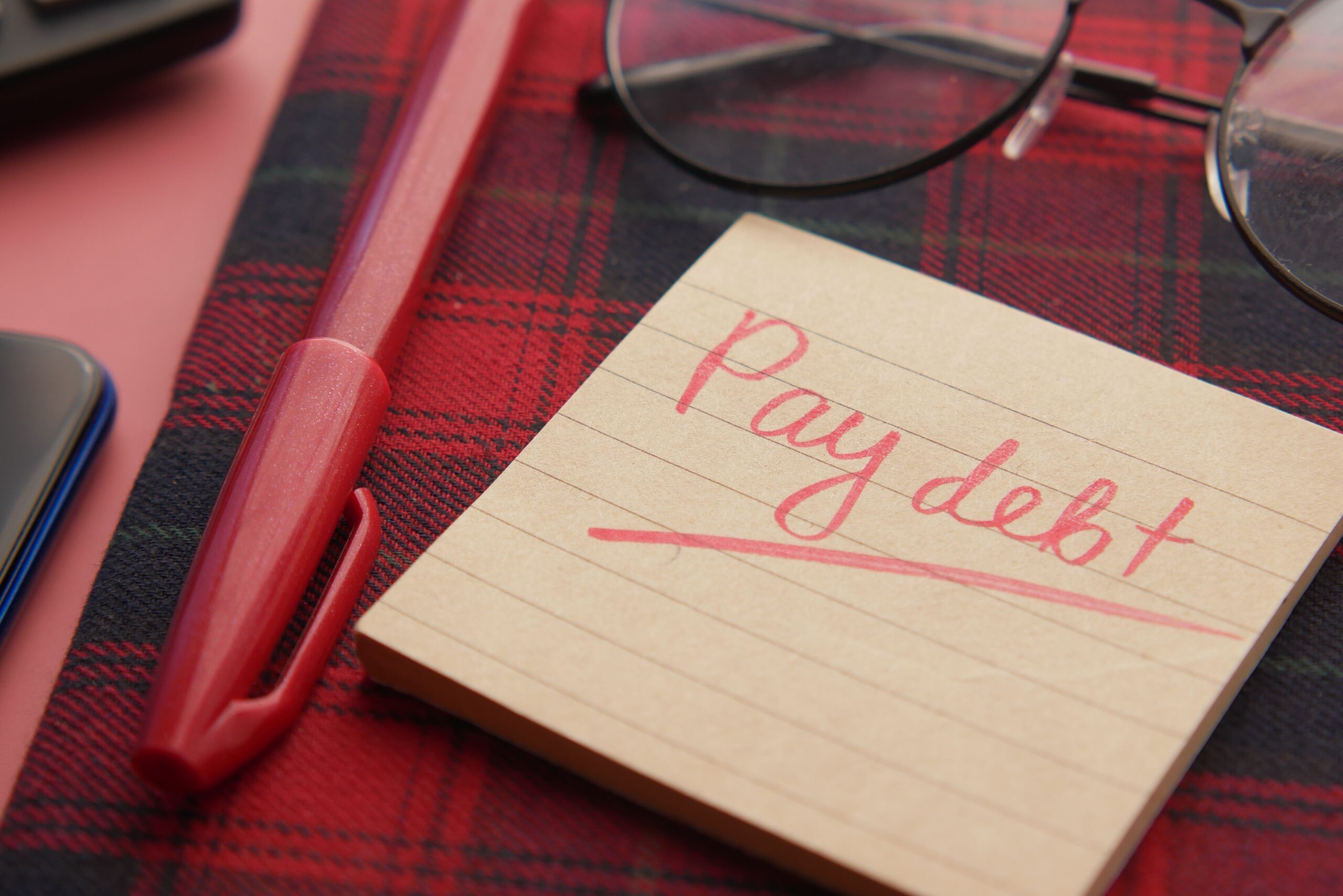
Debt-free budgeting in 2026 is more than cutting expenses. It is a practical system for paying down debt while building savings at the same time. With rising living costs, higher borrowing costs, and changing household expenses, a clear budget can help you regain control of your money.
The goal is simple. Spend less than you earn, direct extra money toward expensive debt, and build savings consistently. You do not need a perfect income or a complicated spreadsheet. You need a realistic plan that you can follow every month.
This guide explains how to create a debt-free budget, choose a debt repayment strategy, reduce unnecessary expenses, and build financial security in 2026.
What Is Debt-Free Budgeting?
Debt-free budgeting means creating a spending plan that prioritizes debt repayment and financial stability. Instead of paying bills randomly and saving whatever remains, you give every dollar a specific purpose.
Your budget should cover essential expenses first. Then, it should allocate money toward minimum debt payments, extra debt payments, emergency savings, and long-term financial goals.
This approach helps prevent new debt. It also creates a clear path toward financial independence.
Why Debt-Free Budgeting Matters in 2026
Debt can make it difficult to build wealth. High-interest credit cards and personal loans can consume money that could otherwise go toward savings or investments.
A structured budget gives you more control. You can identify where your money goes and decide which expenses need to change.
Debt-free budgeting also creates a useful financial habit. Every time you receive income, you already know what your money needs to accomplish.
Most importantly, paying off debt can improve your monthly cash flow. Once a debt is eliminated, the money previously used for payments can be redirected toward savings and investments.
Step 1: Calculate Your Complete Financial Picture
Before creating a debt repayment plan, understand your current situation. Start by calculating your monthly take-home income.
Next, list every expense. Include housing, utilities, groceries, transportation, insurance, subscriptions, entertainment, and other regular costs.
Then list all debts separately. Record the balance, interest rate, minimum payment, and due date for each debt.
This simple exercise can reveal opportunities to make faster progress.
Create a Debt Inventory
A debt inventory might include credit cards, personal loans, auto loans, student loans, and other outstanding balances.
Pay special attention to interest rates. High-interest debt usually deserves extra attention because it can grow quickly.
Knowing the numbers removes uncertainty. It also makes your repayment strategy easier to follow.
Step 2: Build a Realistic Monthly Budget
A realistic budget should reflect your actual lifestyle. A budget that is too restrictive can be difficult to maintain.
Start with essential expenses. These include housing, food, utilities, transportation, insurance, and minimum debt payments.
Then identify flexible expenses. These may include dining out, entertainment, shopping, subscriptions, and travel.
After covering essentials, assign a specific amount to debt repayment and savings.
One useful approach is to create separate categories for:
- Essential living expenses
- Debt minimum payments
- Extra debt payments
- Emergency savings
- Long-term savings
- Personal spending
The exact percentages will vary by household. The key is to make the numbers realistic and sustainable.
Step 3: Choose a Debt Repayment Strategy
Once your budget is ready, choose a repayment method. Two popular strategies are the debt avalanche and debt snowball methods.
Debt Avalanche Method
The debt avalanche method focuses on the debt with the highest interest rate first. You continue making minimum payments on other debts while putting extra money toward the highest-rate balance.
After that debt is paid off, you redirect its payment toward the next highest-interest debt.
This method can reduce the amount of interest you pay over time. It is often attractive for people who want to optimize their repayment mathematically.
Debt Snowball Method
The debt snowball method starts with the smallest balance. After paying it off, you move to the next smallest balance.
This strategy can provide quick psychological wins. Seeing an account reach a zero balance can increase motivation.
Neither method is universally best. Choose the approach that you are most likely to follow consistently.
Step 4: Build an Emergency Fund While Paying Debt
Saving while paying debt may seem difficult. However, having no savings can create another problem.
An unexpected car repair, medical bill, or temporary income reduction could force you to use a credit card again.
Start with a small emergency fund. Your first goal might be enough to handle a common unexpected expense. After high-interest debt is under control, gradually increase your emergency savings.
Eventually, aim for several months of essential expenses. The right amount depends on your income stability, household costs, and personal circumstances.
Step 5: Reduce Monthly Expenses
Reducing expenses can accelerate your debt-free journey. However, you do not need to eliminate everything you enjoy.
Look for recurring expenses that provide little value. Cancel unused subscriptions. Compare insurance costs. Reduce unnecessary delivery orders. Plan meals before shopping.
Small changes can create meaningful monthly savings.
Use the Expense Audit Method
Review the previous 30 to 90 days of transactions. Divide expenses into three groups: essential, useful, and unnecessary.
Essential expenses are difficult to eliminate. Useful expenses may be reduced. Unnecessary expenses can often be removed completely.
Focus on recurring costs first. Cutting a monthly expense creates savings every month rather than just once.
Step 6: Increase Your Income
Expense reduction has limits. Increasing income can provide another powerful way to speed up debt repayment.
Consider freelance work, consulting, tutoring, digital services, or other flexible opportunities. You can also explore an online business that fits your skills and available time.
For example, affiliate marketing can create an additional income stream by promoting products or services through online content. Another option is a dropshipping business, where an online store sells products without keeping traditional inventory.
If you are researching online business models, understanding affiliate vs dropshipping can help you compare startup costs, responsibilities, profit potential, and scalability.
The objective is not to work constantly. Instead, use additional income strategically. Direct a large portion of temporary extra income toward high-interest debt and savings.
Step 7: Automate Debt Payments and Savings
Automation makes your financial plan easier to maintain. Set automatic payments for bills and minimum debt payments.
You can also schedule automatic transfers to your savings account after payday.
Automation reduces the temptation to spend money before reaching your financial goals.
When a debt is completely paid off, keep the same payment in your budget. Redirect that amount toward your next debt or savings goal.
Step 8: Use Windfalls Wisely
Unexpected money can accelerate your progress. Tax refunds, bonuses, gifts, freelance income, or other windfalls can be used strategically.
Instead of immediately increasing lifestyle spending, consider dividing the money between debt repayment, emergency savings, and important financial goals.
For example, you might use part of a windfall to reduce high-interest debt and keep another portion for emergency savings.
A balanced approach can improve both your current financial position and your long-term security.
How to Stay Motivated During Debt Repayment
Debt repayment can take months or years. Motivation will naturally change during the process.
Track your progress every month. Record your total debt balance and compare it with the previous month.
Celebrate milestones without creating new debt. A paid-off credit card or a growing emergency fund is meaningful progress.
You can also create a visual debt tracker. Seeing the balance decline can make a long-term goal feel more achievable.
Common Debt-Free Budgeting Mistakes
Ignoring Irregular Expenses
Car repairs, annual insurance payments, holidays, and other irregular expenses can disrupt a budget. Create sinking funds for predictable future costs.
Only Paying Minimum Payments
Minimum payments can keep accounts current, but they may not eliminate expensive debt quickly. When possible, direct additional money toward high-interest balances.
Creating an Unrealistic Budget
A budget that leaves no room for personal spending may eventually fail. Include a reasonable amount for discretionary expenses.
Taking on New Debt
Paying off debt while continuing to add new balances can create a frustrating cycle. Use your budget to control spending and avoid unnecessary borrowing.
What to Do After Becoming Debt-Free
Debt freedom is not the end of your financial plan. It is the beginning of a stronger financial phase.
Once high-interest debt is gone, redirect your previous debt payments toward savings and investments.
Build a larger emergency fund. Increase retirement contributions. Save for major purchases. You can also invest in skills that may increase your future earning potential.
For people building additional income streams, passive income opportunities may become part of a broader wealth-building strategy. However, remember that most income-generating opportunities require effort, capital, risk management, or ongoing maintenance.
A Simple Debt-Free Budgeting Plan for 2026
Your financial plan does not need to be complicated. Follow these steps each month:
- Calculate your monthly take-home income.
- List all essential expenses.
- Record every debt balance and interest rate.
- Pay all required minimum payments.
- Build a starter emergency fund.
- Choose either the debt avalanche or snowball method.
- Reduce unnecessary recurring expenses.
- Look for ways to increase income.
- Automate savings and payments.
- Review your budget at the end of every month.
As your income, expenses, and debt balances change, update your budget. A good financial plan should adapt to your circumstances.
Final Thoughts on Debt-Free Budgeting in 2026
Debt-free budgeting in 2026 is about creating a system that balances debt repayment, savings, and everyday life. You do not need to eliminate every enjoyable expense. You need to give your money a clear purpose.
Start by understanding your numbers. Build a realistic budget. Prioritize expensive debt. Keep building an emergency fund. Then increase savings as your debt payments disappear.
Small financial decisions can compound over time. A lower monthly expense, an extra debt payment, or an automated savings transfer may seem small today. Repeated consistently, these actions can create significant progress.
The most important step is to begin. Choose one debt, one savings goal, and one expense to reduce this month. Then keep moving forward.
